Every year, commercial printing trend articles focus on what might happen next.
On the production floor, the focus is different. The work is about orders, deadlines, files, and real-world constraints. As 2026 approaches, the most meaningful changes in commercial printing are not dramatic or flashy. They are practical shifts in how print buyers work, what they expect, and where projects succeed or fall apart.
To ground this perspective in real experience, we asked our General Manager, Carlos Marrero, to share what he is seeing day to day on the production floor. Carlos is also our February employee spotlight, celebrating 15 years with Solo Printing, making his insights especially reflective of how the industry has evolved and what has stayed the same.

Carlos Marrero, Solo Printing’s General Manager
Here is what we are seeing from inside the shop and what it means for businesses planning print projects in 2026.
Turnaround Expectations Are the New Baseline
What we’re seeing
Turnaround times have not just gotten shorter. They have become assumed. Many clients no longer label jobs as rush orders. Speed is now expected by default, even for complex or repeat work.
This shift is driven by faster digital workflows in other industries, shorter campaign timelines, and less tolerance for delays caused by internal approvals. The challenge is that faster turnaround does not reduce the need for accuracy. In fact, it increases it.
As Carlos explains, “What used to be considered a fast turnaround is now just expected. For many customers, five days feels like the standard, not a rush.”
With less time to correct issues late in the process, more responsibility falls on preparation and communication at the front end.
How this works at Solo Printing
At Solo Printing, speed is not treated as a special request. It is built into how work moves through the shop. Jobs enter production with clearly defined specifications and are reviewed early to prevent last-minute surprises. Rather than relying on optimistic timelines, the focus is on realistic schedules that protect quality while still meeting deadlines. This approach allows projects to move efficiently without sacrificing consistency or accuracy.

Most Print Delays Start Before Press Ever Does
What we’re seeing
When a job runs late, the issue is rarely the press itself. Delays almost always begin earlier in the process due to incomplete files, unclear specifications, late approvals, or assumptions about how something will print.
Carlos sees this consistently. “When a job runs late, it’s rarely because of production. Most delays happen because files come in late, which immediately compresses everything that follows.”
As timelines continue to compress, small issues have a much larger impact. What once caused a minor delay can now disrupt an entire schedule.
How this works at Solo Printing
Solo Printing places strong emphasis on clarity before a job ever reaches press. Files are reviewed with production realities in mind, and potential issues are addressed early when they are easier and less costly to resolve. Clear communication at this stage helps prevent rework, missed deadlines, and unnecessary stress later in the process.
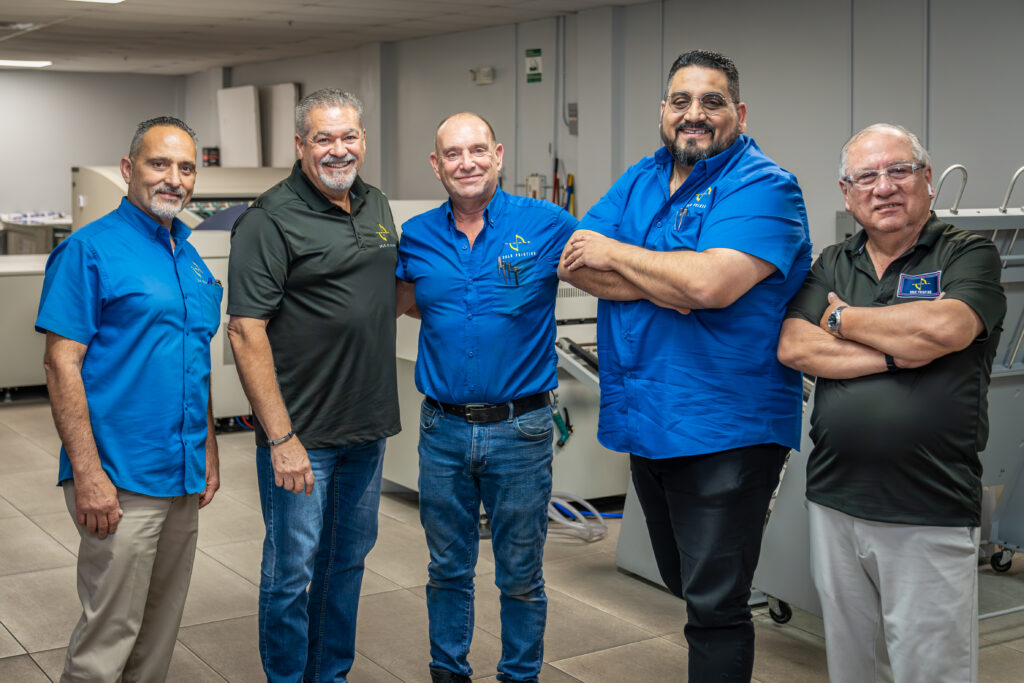 Solo Printing’s Dedicated Prepress Department
File Quality Is Improving, but Expectations Are Rising Faster
What we’re seeing
Design tools are more accessible than ever, and overall file quality has improved as a result. At the same time, expectations have increased around what printers will automatically catch or correct during production.
Carlos points out one issue that still shows up regularly. “One of the most common issues we see is files supplied in RGB. They often look fine on screen, but they are not set up correctly for print and can cause color issues if they’re not addressed early.”
Files that look correct digitally do not always translate cleanly to print, especially when trimming, finishing, and material behavior are involved.
How this works at Solo Printing
At Solo Printing, files are evaluated through a production lens, not just a visual one. Instead of silently correcting issues or allowing problems to surface late, the team communicates clearly about how design choices affect the final printed piece. This helps customers make informed decisions and reduces surprises once the job is complete.
Catching Issues Early Makes All the Difference
What we’re seeing
As timelines shrink, the value of early problem detection increases. There is far less room to recover once a job reaches press.
Carlos summarizes it simply. “Catching issues early is critical because it allows us to get jobs on press as soon as possible. When problems are found late, everything slows down. When they’re found early, the job keeps moving.”
Early clarity keeps production flowing and deadlines intact.
How this works at Solo Printing
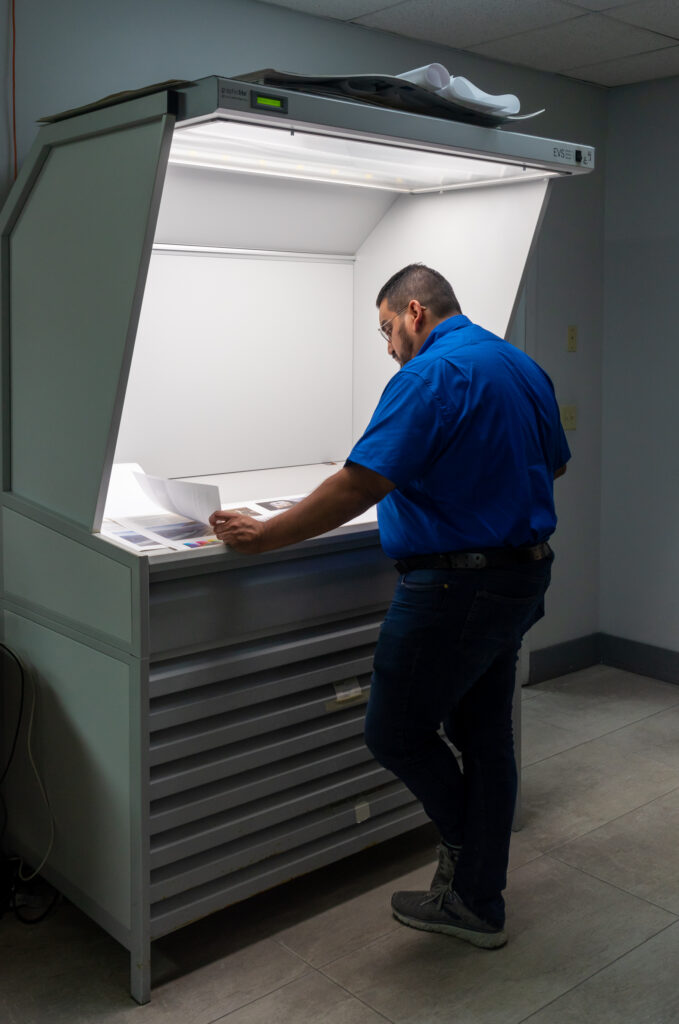
Prepress and proofing are treated as essential steps, not formalities.
By identifying and resolving issues early, Solo Printing keeps projects moving smoothly and avoids last-minute corrections that can impact quality or delivery schedules.
Consistency Still Beats One-Off Projects
What we’re seeing
While one-off projects will always have a place, repeat work is almost always smoother and more predictable. Established specifications reduce uncertainty and help production teams work more efficiently.
Carlos explains why. “Repeat jobs are smoother because we can reference the last printed job and simply generate a new low-resolution proof. The specs are already established, which removes a lot of guesswork.”
Consistency reduces risk and improves outcomes.
How this works at Solo Printing
Documented specifications, proven workflows, and historical job data allow Solo Printing to deliver consistent results across repeat orders. This makes it easier for customers to plan ahead and maintain quality across multiple projects.
Fewer Vendors, Stronger Relationships
What we’re seeing
Many print buyers are consolidating vendors and choosing to work with fewer partners. This shift places greater importance on trust, familiarity, and communication.
Carlos notes the difference long-term relationships make. “When we work with the same customer over time, we build a bond. That familiarity helps us understand their expectations, spot potential issues faster, and keep jobs moving smoothly.”
With fewer vendors involved, relationships matter more than ever.
How this works at Solo Printing
Solo Printing focuses on building long-term partnerships rather than transactional relationships. Familiarity with customer preferences and standards leads to fewer questions, faster decisions, and more consistent production outcomes.
Sustainability Is Becoming Practical, Not Performative
What we’re seeing
Sustainability conversations are shifting away from vague claims toward practical decisions. Buyers are asking how waste can be reduced and how materials can be used more efficiently.
From a production standpoint, Carlos sees sustainability tied directly to performance. “On the production floor, sustainability means staying competitive in the industry while reducing waste. That comes from producing jobs accurately, minimizing reprints, and using materials efficiently.” Practical sustainability starts with getting the job right the first time.
How this works at Solo Printing
By focusing on accurate specifications, efficient production, and smart material choices, Solo Printing reduces waste naturally. This approach supports environmental goals without compromising quality or budget.
With growing concerns about climate change and the impact of industry on the environment, we are proud to be among the top 35% of companies globally, as recognized by our EcoVadis Bronze rating. This certification reflects our commitment to sustainability, ethical business practices, and continuous improvement.
But sustainability is more than just recognition. For us, it’s about ensuring that every part of our operation, from the equipment we use to our partnerships, contributes to a healthier planet. By working with Solo Printing, you align with a company that shares your sustainability values and actively implements responsible business practices.

Robert Hernandez, VP of Sales, with Julio Bonilla, Bindery Manager
The Fundamentals of Printing Haven’t Changed
What we’re seeing
Despite advances in automation and software, the fundamentals of printing remain the same. Materials behave like physical materials. Finishing requires precision. Details still matter.
Carlos points to one constant. “No matter how much technology improves, printing will always need strong communication between sales and production. That connection is what keeps jobs accurate, on schedule, and aligned with customer expectations.”
Technology helps, but people and communication remain essential.
How this works at Solo Printing
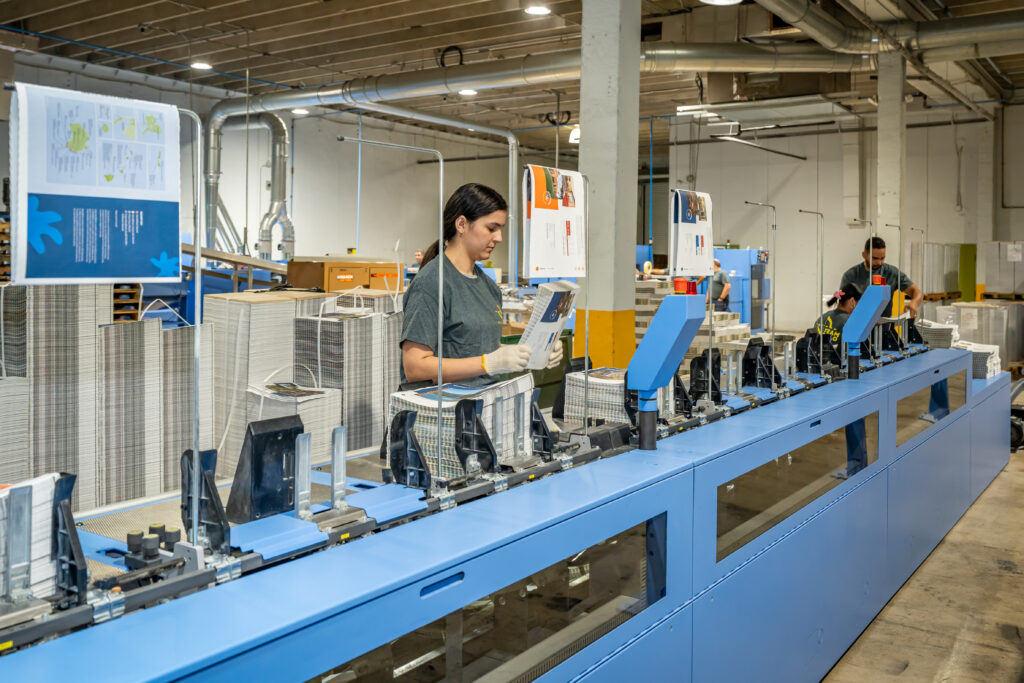
At Solo Printing, strong communication between sales, prepress, and production is treated as a core part of the process, not a handoff. Clear expectations are established early; questions are addressed before production begins, and information flows consistently from quote to delivery. This coordination helps ensure jobs stay accurate, schedules stay realistic, and customers receive exactly what they expect, even as technology and workflows continue to evolve.
The Real Takeaway for 2026
The most meaningful changes in commercial printing are not dramatic shifts. They are refinements in how work gets done. As expectations rise, successful print projects will depend on clear communication, smart preparation, consistent processes, and reliable partners.
At Solo Printing, these are not new ideas. They are the foundation of how the work gets done every day!